How to Spot a Good Taqueria Before You Order
You can usually tell how good a taqueria is within thirty seconds of walking in. Look for a short menu, corn tortillas pressed on site, a salsa bar with fresh-cut onion and cilantro, a line of local regulars, and meat cooked to order on a visible flat-top or grill. The places that get all five right are almost always worth the trip.
1. A short menu
A taqueria that lists forty items is spreading itself thin. The best ones do a handful of meats well: maybe asada, al pastor, carnitas, pollo, and one or two more. If the menu reads like a diner's, the kitchen is buying pre-made components and reheating them.
The exception is a regional specialist. A birrieria that only sells birria and quesabirria, or a Sonoran spot built around bacon-wrapped dogs and mesquite asada, is focused on purpose.
2. Tortillas made on site
Look for a comal (a flat griddle) near the counter and a bucket or bag of fresh masa. House-pressed corn tortillas have a corn smell, a little chew, and slightly irregular edges. Machine-stacked tortillas from a bag are fine in a pinch but they are not the reason to drive across town.
Flour tortillas made in house are a Northern Mexico and Tex-Mex sign of quality, especially for breakfast tacos.
3. The salsa situation
A real salsa bar has fresh-diced white onion, chopped cilantro, lime wedges, sliced radish or cucumber, pickled carrots and jalapenos, and at least two or three salsas made in house: usually a roja, a verde, and something with more heat. Squeeze bottles of commercial hot sauce are a warning sign.
Taste the salsas before you drown your food. A good verde is bright and a little acidic; a good roja has smoke and depth, not just heat.
4. Who is in line
At lunch, a line of construction crews, delivery drivers and nearby office workers means the food is fast, cheap and reliable. On a weekend morning, a line of families and abuelas means the barbacoa or the carnitas is worth waiting for. A line of tourists with cameras tells you less.
5. Meat cooked to order
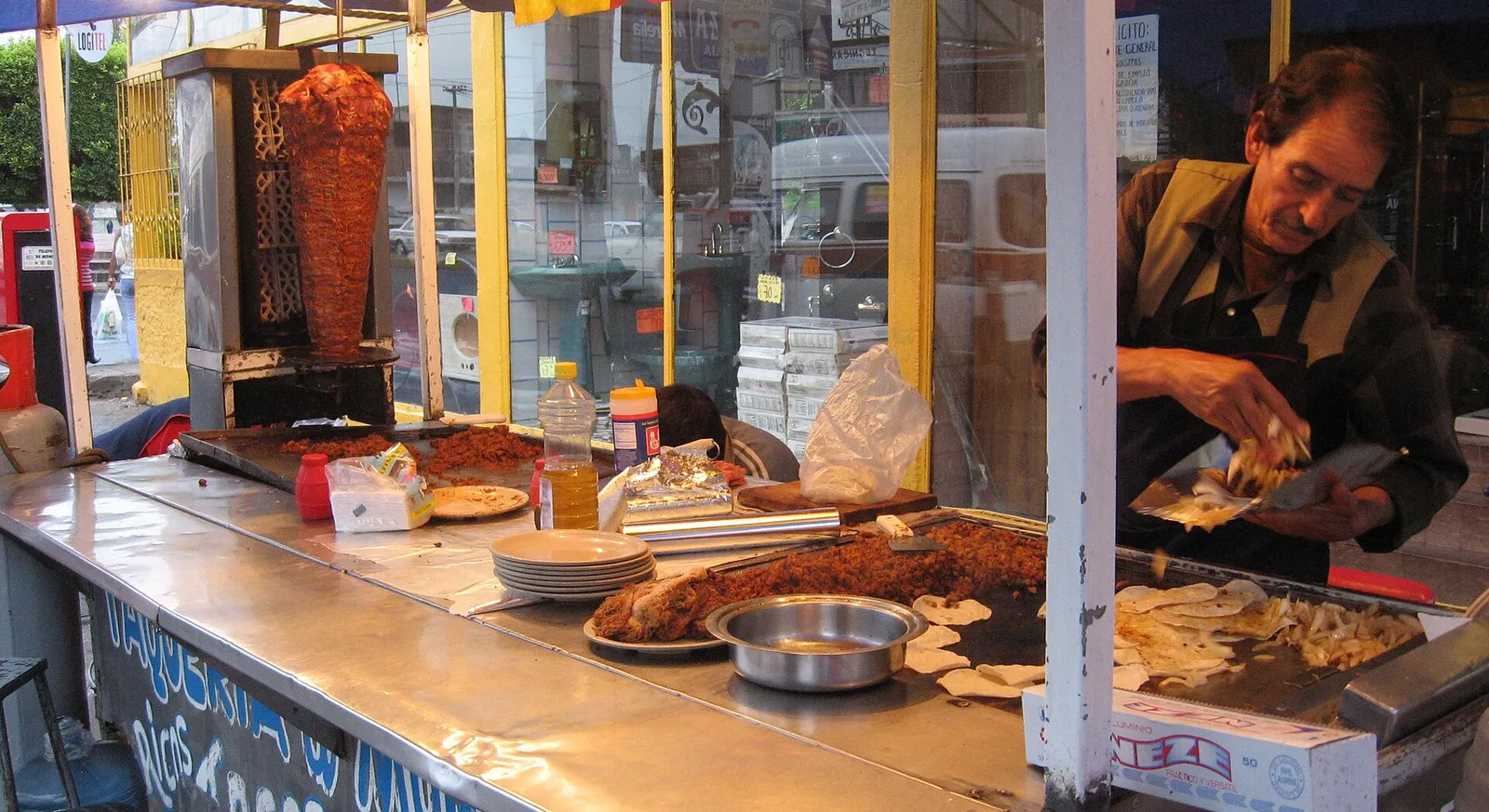
You want to see a flat-top, a grill, or a trompo (the vertical spit for al pastor) doing active work. Meat that sits in a steam tray under a heat lamp for hours goes grey and stringy. For al pastor specifically, the taquero should shave slices straight off the trompo onto your tortilla and flick on a piece of pineapple.
Two more, if you have time
This checklist works anywhere, but it helps to know which taquerias in your city already pass it. See our picks for New York, Los Angeles, Chicago, Houston and San Antonio.
- Handmade details: escabeche (pickled vegetables) made in house, agua fresca that is not from a fountain, consomme served hot in a foam cup with birria.
- Honesty about hours. The best carnitas and barbacoa spots are weekend-morning only and sell out by early afternoon. A place that claims to have everything all day every day is usually holding food too long.
See our picks for New York, Los Angeles, Chicago, Houston and San Antonio.
FAQ
Does a Michelin star or a long Yelp rating list matter more?
Neither on its own. A four-star average from thousands of reviews is a decent floor, but the in-person signals above (menu length, tortillas, salsa bar, the lunch line) tell you more about a specific taqueria than an aggregate score does.
Are chain taquerias ever good?
Regional chains built by taqueros, like King Taco in Los Angeles or Torchy's out of Austin, can be very good. National fast-food chains are a different category: consistent and cheap, but not what this checklist is for.
What is the single fastest tell?
The salsa bar. If it has fresh-cut onion, cilantro, lime and two or three house salsas, the kitchen cares. If it has squeeze bottles, adjust your expectations.
Published August 24, 2026, updated August 31, 2026. By Niam Hocaine.